- monarchy- a state in which supreme power is held by a single, usually hereditary ruler
- oligarchy- a state in which supreme is held by a small group
- democracy- in ancient Greece, a form of government in which all adult male citizens were entitled to take part in decision making
- the notion of citizen participation seems to have originated in geography
- Greek city-states arose at the time the Assyrians reached for power westward from Mesopotamia
- Greek city-states at the time had no universal empire, and were free to struggle
- land was far less wealthy than Mesopotamia or Phoenicia
- citizens who could afford to serve as hoplites equipped themselves with bronze helmets and armor, round shields, long spears with iron blades, and short iron swords
monarchy, oligarchy, tyranny, democracy
- in the earliest times of classical Greek civilization, the communities that would become city-states were ruled by kings, along with there companion warriors
- monarchy gave way to new forms of government that distributed power more widely among male citizens
- oligarchy was one of these new forms, in this form a minority of citizens dominated the government and the power of the majority was limited in various ways
- other, large commercial, city-states gave far more power to the majority, in such cities, the common people were too numerous and active to ignore
- in these large city-states, social conflicts sometimes led to the emergence of tyranny
- but tyranny was often only a passing phase on the way to democracy
- although the Greek city states had many features in common, each was individual in character and had its own personality
Sparta: the military ideal
- the Spartans were the descendants of Greeks who had conquered part of the southern mainland, territory of laconia
- by the eighth century B.C. they were a minority of landholders, ruling over a majority of helots
- though the Laconian helots were relatively well treated and even fought in the army, the Messenians were harshly exploited, never accepted their defeats and often rebelled
- to hold down the helots, the spartan citizens had to accept a government system that put them under almost total domination by a few among themselves
- by the fifth century B.C., policy decisions had been taken over by a council of elders
- the Spartan government was a leading example of oligarchy

The spartan way of life
- along with the government system there went a way of life that dedicated male citizens entirely to the service of the state
- all men, even married ones, were required to live in barracks until the age of 30
- girls had to participate in drills to train to become child-bearing women
- the freedom of Spartan women aroused both admiration and disapproval among the Greeks
- to protect their harsh and rigid way of life, the Spartans tried to seal off their city state from outside influences
Athens: freedom and power the city of athens \/
- athens was a war-like community
- Greek civilization about 800 B.C., many old-established communities in Attica merged to form a single city-state that was known by the name of the most important community, Athens
- over the next three centuries, athens grew to become the wealthiest and one of the most powerful of Greek city-states, due to the growth of its overseas trade
- workshops sprang up where Athenian citizens, immigrants, and slaves worked side by side to produce weapons, pottery, and articles of silver, lead, and marble
- ships from Athens carried these products to lands from Spain to Palestine and Egypt to the south of Russia
- with more people and greater wealth came social and political conflicts
- the disputes were usually between the increasingly powerful and wealthy aristocrats
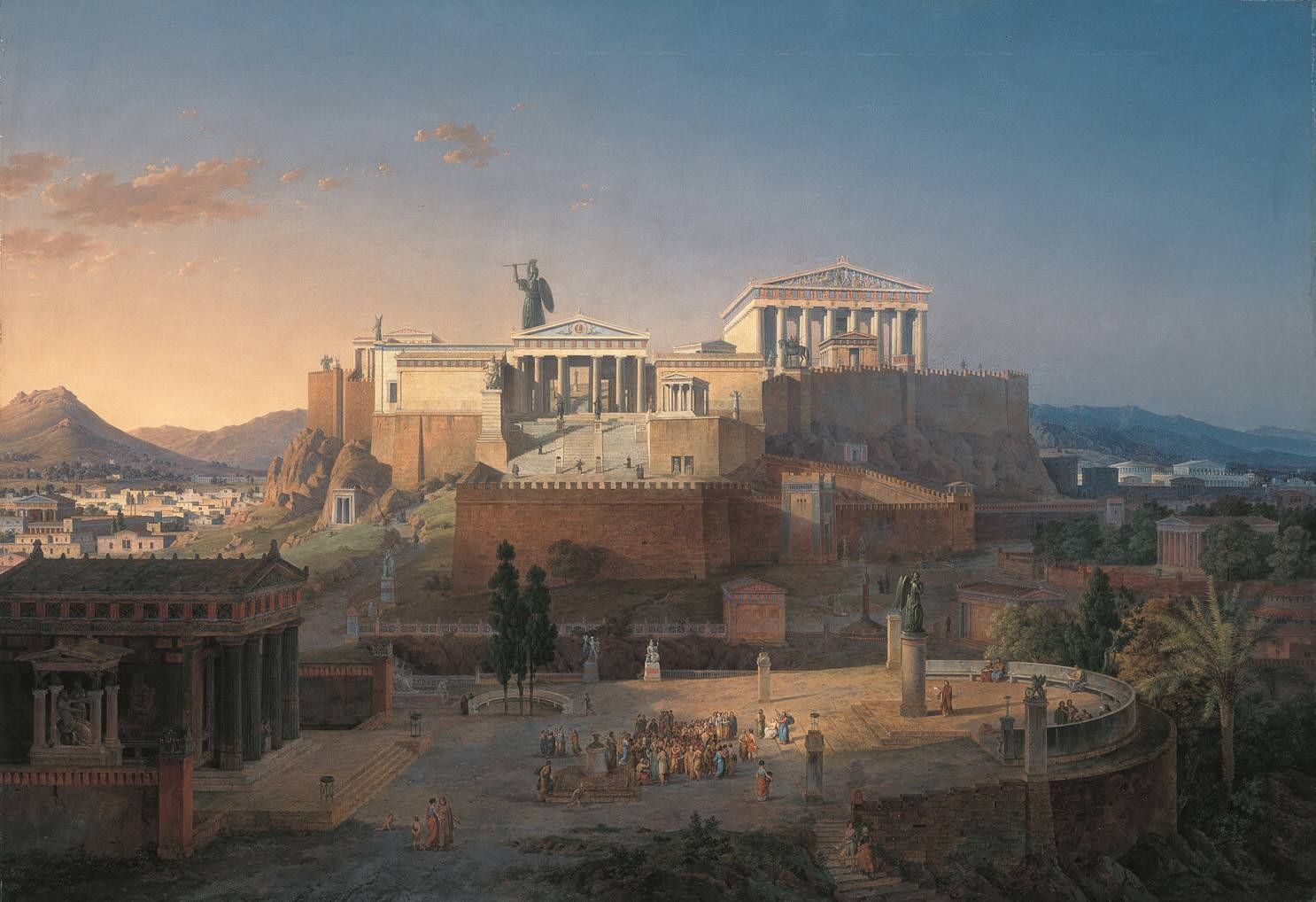
from monarchy to democracy
- as a result, Athens passed through several stages of political growth, beginning with monarchy and including both oligarchy and tyranny

No comments:
Post a Comment